Go Back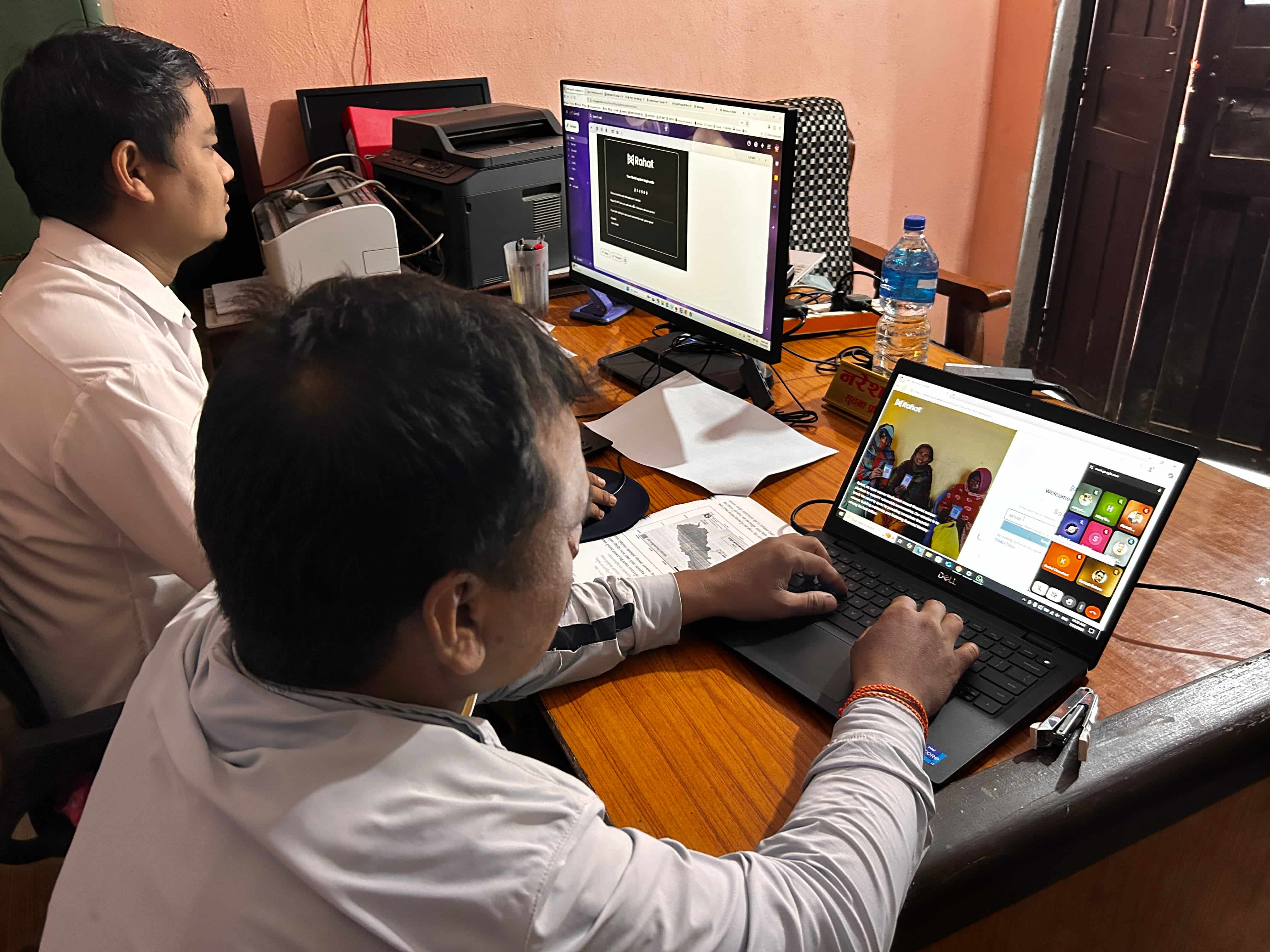

Blockchain for Anticipatory Action
Mercy Corps is a global humanitarian organization that empowers people to survive through crises, build better lives, and transform their communities for good. Mercy Corps Nepal has been working in the country, focusing on disaster preparedness, economic development, and resilience building in vulnerable communities.
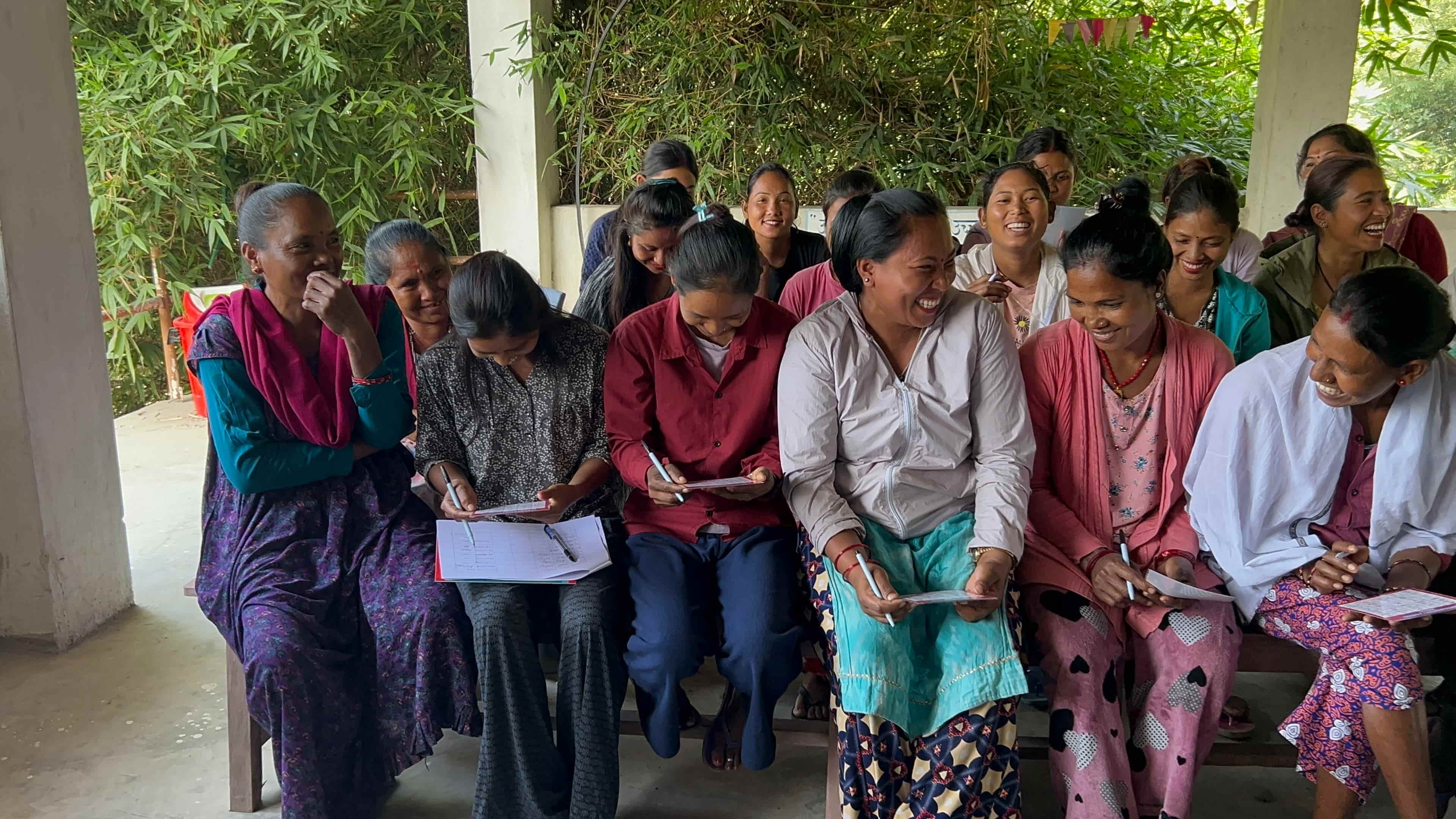
Mercy Corps Ventures has partnered with Mercy Corps Nepal and Rumsan to launch an Anticipatory Action pilot in Nepal. The pilot project focuses on Laljhadi Rural Municipality and Punarbas Municipality, located in the Kanchanpur District of the Sudurpashchim Province. These areas are particularly vulnerable to flooding due to their geography and high poverty rates, with Sudurpashchim Province experiencing the highest poverty rate in Nepal at 34.16%. Communities here face challenges including inadequate infrastructure, limited access to emergency response mechanisms, and dependence on agriculture, which is frequently devastated by floods, especially during the monsoon season from June to August.
Mercy Corps Ventures has partnered with Mercy Corps Nepal and Rumsan to launch an Anticipatory Action pilot in Nepal. The pilot project focuses on Laljhadi Rural Municipality and Punarbas Municipality, located in the Kanchanpur District of the Sudurpashchim Province. These areas are particularly vulnerable to flooding due to their geography and high poverty rates, with Sudurpashchim Province experiencing the highest poverty rate in Nepal at 34.16%. Communities here face challenges including inadequate infrastructure, limited access to emergency response mechanisms, and dependence on agriculture, which is frequently devastated by floods, especially during the monsoon season from June to August.
The Challenges
In disaster-prone regions like Nepal, vulnerable communities often face devastating impacts from floods due to delays in traditional humanitarian response systems. Conventional aid models are reactive—triggered only after a disaster strikes—leading to preventable losses of livelihoods, displacement, and inefficient allocation of resources. Despite the availability of forecast-based models like GloFAS, there remains a significant gap in translating early warnings into timely, coordinated, and transparent financial action on the ground.
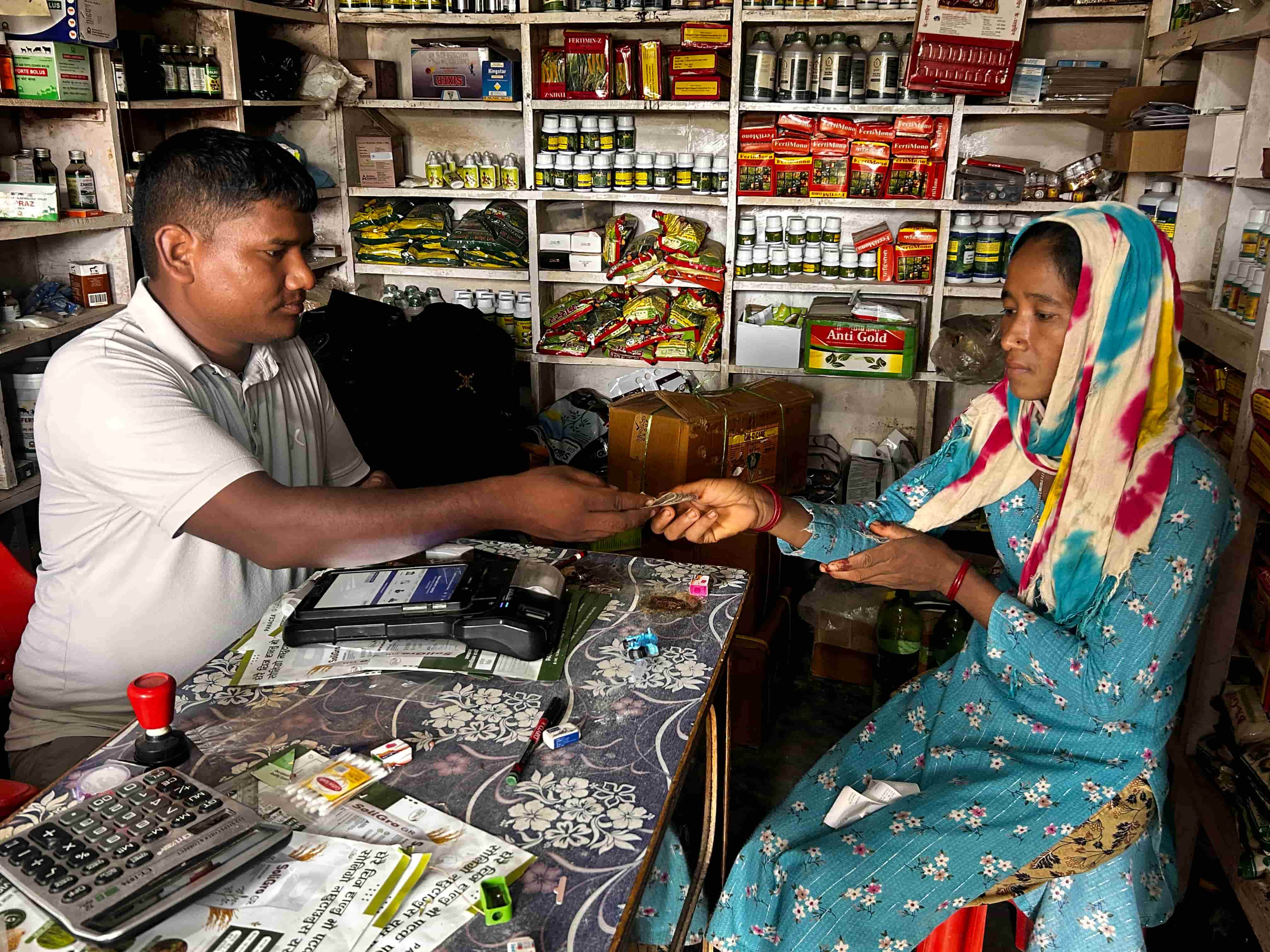
Anticipatory action, particularly through pre-disaster cash transfers, has emerged as a promising approach to reduce humanitarian impact. However, scaling such a system requires overcoming challenges related to trust, transparency, speed of delivery, and last-mile beneficiary targeting—especially in low-infrastructure, unbanked environments.
This project seeks to address these challenges by integrating Rumsan's Rahat platform with the Stellar Disbursement Platform and Soroban smart contracts. The aim is to build an automated, tamper-proof mechanism for early disbursement of aid based on forecast triggers. By leveraging blockchain's inherent transparency and traceability, the system enables humanitarian actors to deliver pre-positioned digital cash to at-risk individuals securely and efficiently.
Anticipatory action, particularly through pre-disaster cash transfers, has emerged as a promising approach to reduce humanitarian impact. However, scaling such a system requires overcoming challenges related to trust, transparency, speed of delivery, and last-mile beneficiary targeting—especially in low-infrastructure, unbanked environments.
This project seeks to address these challenges by integrating Rumsan's Rahat platform with the Stellar Disbursement Platform and Soroban smart contracts. The aim is to build an automated, tamper-proof mechanism for early disbursement of aid based on forecast triggers. By leveraging blockchain's inherent transparency and traceability, the system enables humanitarian actors to deliver pre-positioned digital cash to at-risk individuals securely and efficiently.
The Solutions
To address the limitations of traditional post-disaster humanitarian aid, this project introduces an automated, forecast-based cash transfer system powered by blockchain technology. The solution integrates the Rahat platform, developed by Rumsan, with Stellar's Disbursement Platform and Soroban smart contracts to enable early and transparent disbursement of digital cash assistance to vulnerable populations—before a disaster strikes.
- Integrated Rahat platform with Stellar Disbursement Platform and Soroban smart contracts for automated cash transfers.
- Built forecast-based trigger mechanism using early warning systems like GloFAS.
- Enabled transparent and traceable digital cash distribution through blockchain technology.
- Implemented secure beneficiary targeting and verification in low-infrastructure environments.
- Delivered pre-positioned digital aid to at-risk populations before disasters occur.
- Reduced humanitarian impact through timely, coordinated financial intervention.
Technology
- Database: PostgreSQL, Redis
- UI: React, Shadcn UI, NextJs
- Programming Language: TypeScript, JS
- Server: NestJs
- Architecture: Nx-Monorepo
- Deployment: Docker